A machine that's gotten slower almost always means scale first, simply because scale is the far more common cause and the cheapest to rule out. The test is straightforward: run the full routine above — hand-clean the removable parts, descale the internal loop, flush it thoroughly — and see whether speed and output recover over the next few batches. If a machine that was taking ten minutes to start producing pellets is back to five after a proper descale, that was scale, and the fix was exactly what you just did. This is also the point where it's worth being direct about what we can and can't tell you: we compare published specifications and prices for these machines, we don't run a physical testing lab, and we have no verified owner-review data for any of the three products named on this page, so none of the diagnosis above is based on anything but how recirculating refrigeration systems generally behave.
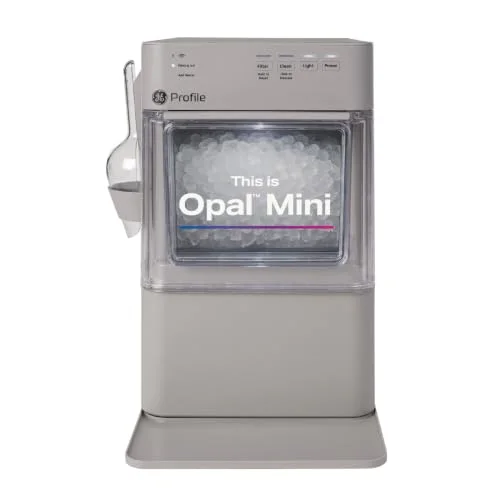
If a thorough clean doesn't bring the machine back — if it's still slow, or has stopped producing ice at all, or shows a persistent error code on models that have one — the problem has most likely moved past what descaling can touch. The sealed refrigeration system, meaning the compressor, the refrigerant charge and the condenser coils, is a closed circuit that isn't designed to be opened or serviced by the owner, on any machine in this category regardless of price. A compressor that's failing, a refrigerant leak, or a condenser so caked in dust it can't shed heat properly will all produce symptoms that look similar to scale on the surface — slow ice, weak output — but none of them improve with a vinegar flush, because none of them are a water-mineral problem. At that point the appropriate next step is the manufacturer's support line or warranty service, not a second or third descaling attempt. Our comparison of the GE Profile Opal Ultra and Opal Mini covers how support and warranty expectations differ by price tier if you're weighing that against a replacement, and our guide to nugget ice makers under $150 is worth reading before assuming a budget machine's slowdown is automatically scale rather than a less durable sealed system to begin with.
One more sign worth separating out: dusty or blocked condenser coils on the back or underside of the unit make the refrigeration system work harder in a way that mimics scale's symptoms without being caused by water at all. Vacuuming the vents and giving the machine a few inches of clearance on all sides is cheap, takes a minute, and is worth doing before you conclude a persistently slow machine needs professional service.