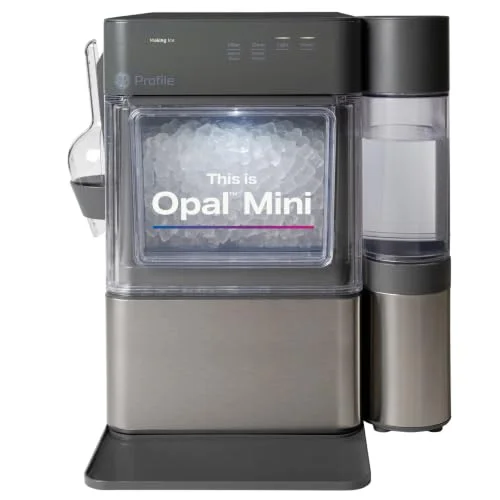
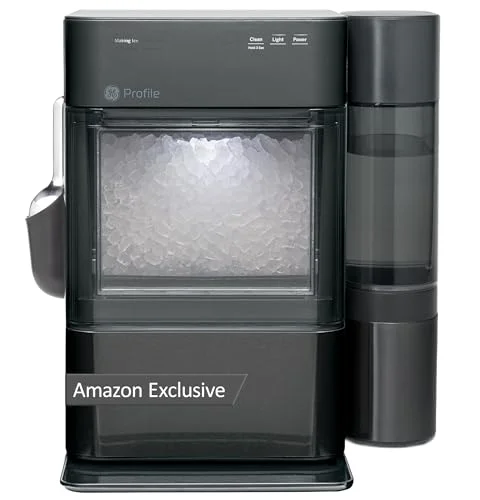
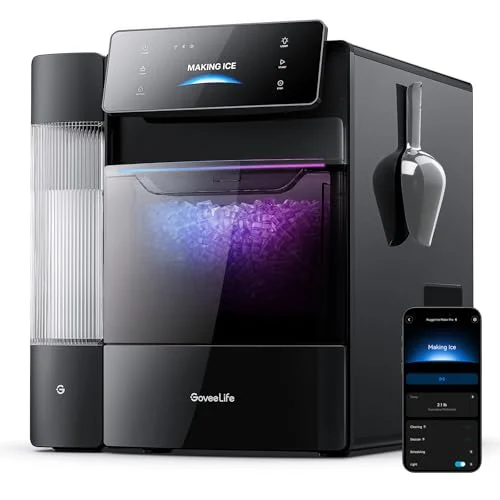
GoveeLife states 40 decibels right in the product name, which is an unusual amount of confidence for this category — most nugget ice maker listings, including GE's for the Opal Ultra, don't publish a noise figure at all. On its face, 40 dB sits in the range most sources describe as a quiet library or a quiet residential room at night, which sounds like a genuine selling point for a machine meant to sit on a kitchen counter near where people talk, work, or sleep.
What that single number doesn't tell you is how it was measured or when. A decibel rating with no stated distance, no stated test condition, and no indication of whether it was captured at idle or during the compressor's loudest cycle is a marketing figure, not an engineering spec you can compare directly against another machine's unstated noise profile. Compressor-driven appliances are rarely uniformly quiet throughout a cycle — the compressor tends to be the loudest component, and it doesn't run continuously, so a snapshot measurement can describe the machine's quietest moment rather than its typical one.
GE's Opal Ultra listing states no decibel figure at all, which means we have nothing to set against GoveeLife's 40 dB claim even directionally. That's not evidence the Ultra is louder; it's an absence of data where GoveeLife chose to publish a number. Treat GoveeLife's 40 dB as a claim to verify on the listing itself rather than a figure to take as settled. Our deeper look at what a nugget ice maker costs to run, and how loud it actually is goes further into why so few brands publish this spec at all.