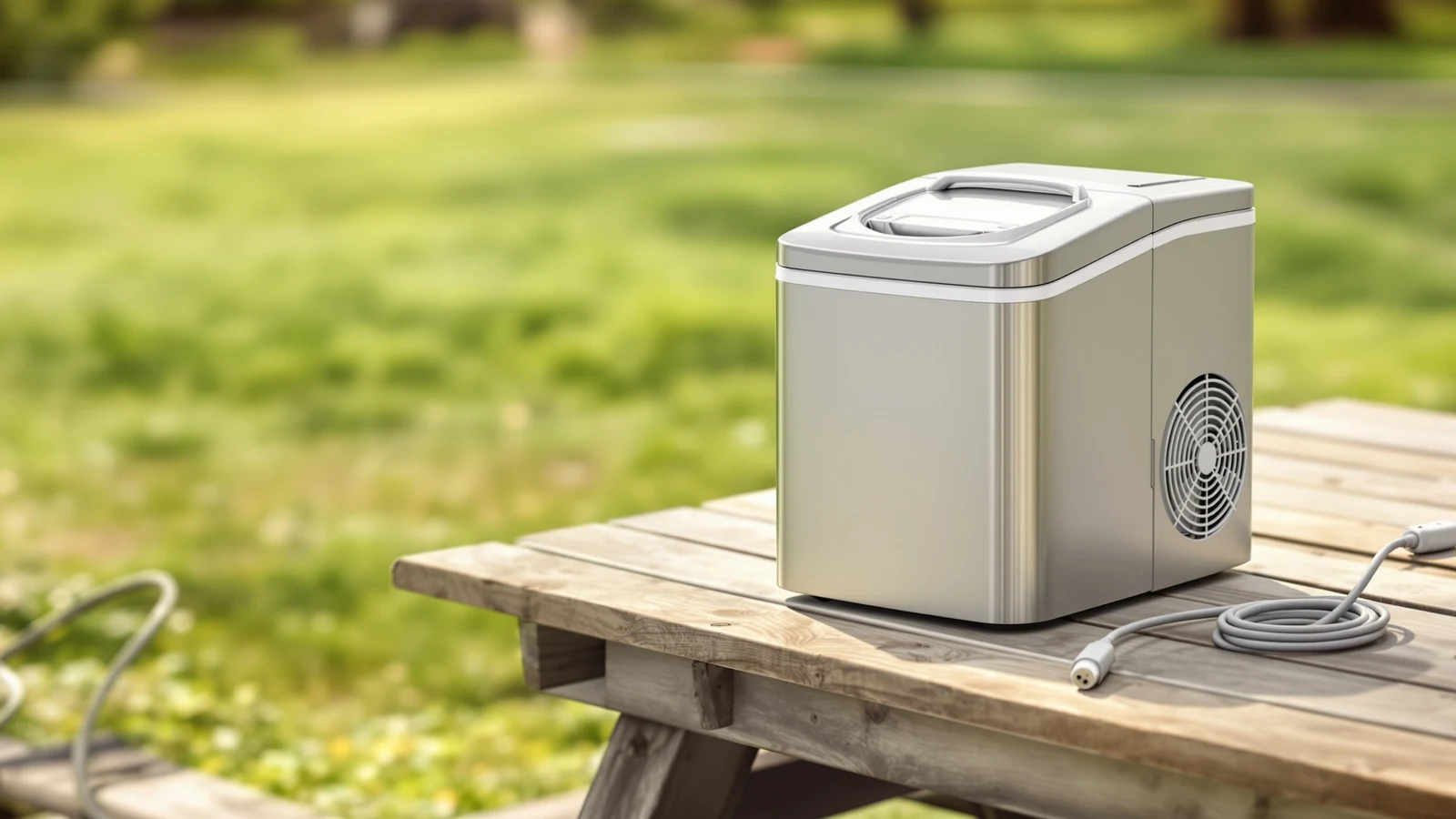
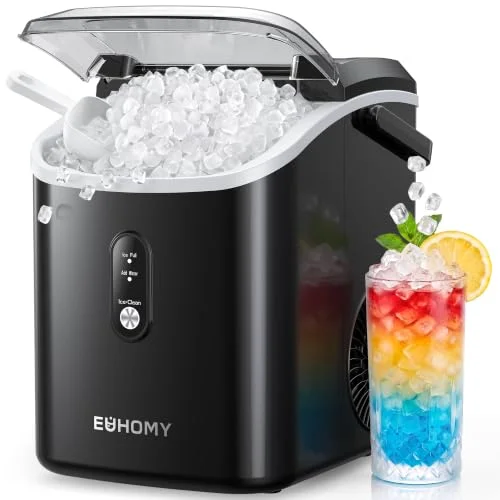
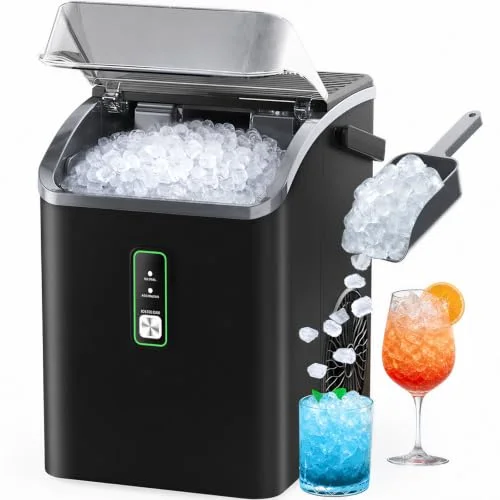
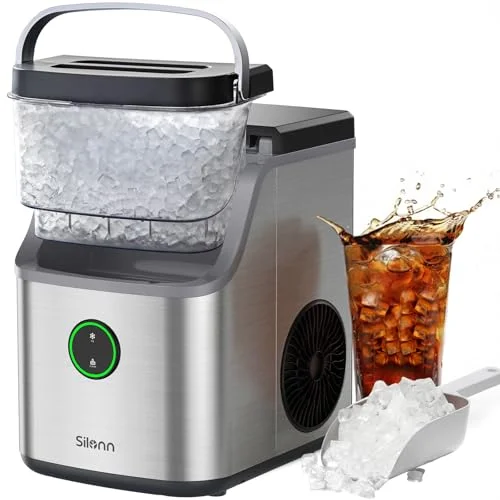
If there's genuinely no wall outlet where you're headed, there are exactly two ways to supply one of these machines with the power it needs, and a pocket battery isn't either of them. The first is a small gas or propane generator, the kind commonly rated for 1,000 to 2,000 watts continuous, which comfortably covers both the running draw and the startup surge of a compressor appliance in this class with room to spare. The second is a portable power station — the larger battery-and-inverter boxes sold for camping and emergency backup — but the number that matters there isn't the battery capacity advertised on the box in watt-hours. It's the unit's rated continuous output and peak surge wattage, which need to clear the appliance's running draw and startup spike with real margin, not just match it on paper.
To put the trade-off in concrete terms, with the assumptions stated plainly: if a machine in this class runs at roughly 200 watts continuous — a reasonable mid-point for the category, not a published figure for any specific model here — a 1,000 watt-hour power station would in theory supply about five hours of run time, 1,000Wh divided by 200W. In practice that number comes down further once you account for inverter conversion losses, typically another 10 to 15 percent, and for the compressor cycling on and off rather than drawing a flat 200 watts the entire time it's plugged in. A generator sidesteps that math entirely as long as fuel holds out; a power station turns it into a straightforward capacity purchase, usually a more expensive one than the ice maker itself.
Either way, the honest framing is that off-grid ice adds a second piece of equipment, and a second cost, on top of whichever handle-equipped machine you pick. If you're already doing the arithmetic on what ice actually costs you, our breakdown of the real price per pound of daily capacity covers the household-outlet version of that question; off-grid, the dominant cost shifts from electricity to the generator or power station hardware itself.